
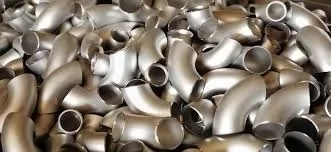
In the world of industrial piping, it is very important to choose the right material. Hastelloy C276 pipe fitting components are some of the most robust parts you can buy. This alloy contains nickel, molybdenum, and chromium. It is built to stand up to the most aggressive environments. We often see these fittings in chemical processing plants or offshore rigs where standard steel would not perform well. However, because this material is so specialized, people often make simple mistakes during selection and handling. Avoiding these errors is crucial if you want your system to last for decades.
Understanding the Properties of Hastelloy C276
Hastelloy C276 is known for its ability to resist corrosion. It resists pitting and stress corrosion cracking better than almost any other metal. You will find it performing perfectly in both oxidizing and reducing chemical environments. This is rare. Most metals are good at one or the other. It also keeps its mechanical strength when temperatures get very high. These impressive properties are the reason why the grade is Hastelloy pipe in critical sections of a refinery. Because it is such a high-performing metal, it demands very precise installation. You cannot treat it like ordinary carbon steel. If you use improper practices, you won’t be able to utilise this alloy well.
Mistake #1: Choosing the Wrong Grade or Specification
A very frequent error is confusing C276 with other Hastelloy grades like C22 or B2. While they sound similar, their chemical composition is different. They react differently to specific acids. Another massive blunder is not knowing the difference between Hastelloy C276 and 316. Many people think 316 stainless steel is “good enough” because it is also corrosion-resistant. This is not correct. 316 stainless steel is a great general-purpose metal, but it fails quickly in heavy chloride or high-temperature sulphuric acid. C276 is a true nickel alloy designed for those exact extremes.
We see cases where buyers ignore ASTM or ASME dimensional standards to save time. Using non-certified or improperly tested pipe fittings can result in leaks. You must have material traceability. Documentation tells you exactly what is in the metal. We provide third-party inspection reports for this exact reason. You need to know that what you ordered is what arrived at your site.
Mistake #2: Improper Welding and Fabrication Practices
Welding Hastelloy needs a specialized skill. If a welder uses the wrong technique, they can ruin the corrosion resistance of the entire fitting. One of the biggest mistakes is using filler materials that do not match. You must use compatible filler metals to ensure the joint is as strong as the pipe. Excessive heat input is another problem. If the metal gets too hot for too long, it changes the internal structure. This leads to carbide precipitation that makes the area around the weld vulnerable to rust.
Poor joint preparation also causes failures. You cannot have grease, oil, or dirt on the edges before you start. Skilled fabrication is a requirement when you work with these alloys. We manufacture our products under the supervision of professionals because we know how much the details matter. If the fabrication is poor, the fitting will fail at the seam long before the rest of the pipe shows wear.
Mistake #3: Neglecting Application and Environmental Conditions
You must look at the whole picture of your environment. People often overlook how temperature and pressure work together. A fitting might handle a specific chemical at room temperature but fail when that chemical gets hot. Misusing fittings in unsuitable service environments is common. Every material, including Hastelloy C276, has a limit.
Fluctuating operating conditions are also a threat. If your system goes from hot to cold or high pressure to low pressure constantly, it creates fatigue. This mechanical stress shortens the life of the fitting. You need to match the fitting to the most extreme version of your operating day, not just the average. We focus on providing the best possible solution to match these different requirements.
Mistake #4: Incorrect Installation and Handling
Damage often happens before the fitting is even part of the pipe. Improper storage is a big issue. If you leave these fittings on a damp floor or throw them in a bin with carbon steel parts, you get cross-contamination. This can cause “tea staining” or surface rust. Transportation damage like deep scratches can also create weak spots where corrosion starts.
During the actual installation, over-tightening is a frequent mistake. Workers think tighter is always better, but it can warp the fitting or strip the threads. Misalignment is just as bad. If the pipes don’t line up and you force them together, you build permanent stress into the system. You must follow the recommended torque and alignment guidelines. Poor support is another factor. If the pipe is heavy and the fitting is carrying all that weight without a bracket, it will eventually crack.
Mistake #5: Skipping Inspection, Testing, and Maintenance
Failing to perform hydrostatic testing or non-destructive testing (NDT) is a huge risk. These tests find small cracks or pinholes that you cannot see with your eyes. If you skip these, you are compromising the quality. Routine inspection schedules are also ignored far too often. Even a high-grade material like C276 needs a check-up.
Undetected corrosion can hide under insulation or inside joints. Mechanical stress can build up over years of use. If you don’t look for it, you won’t find it until the pipe bursts. We believe in 100% commitment to quality, and that includes the testing phase. Regular maintenance keeps your plant running and prevents expensive emergency shutdowns next to losing production time.
Best Practices to Ensure Reliable Performance
The best way to get results is to work with experienced suppliers. You need people who understand international standards. Proper training for your installation and maintenance teams is also important, as they should know the necessary information about Hastelloy C276. If your team understands the material, they will treat it with the respect it deserves. We use latest machinery and advance technology to make sure our products meet these high standards every time.
Avoiding Costly Errors in Hastelloy C276 Pipe Fitting Applications
Avoiding common mistakes in the selection and installation of Hastelloy C276 is the only way to protect your investment. If you pick the wrong grade or mess up the welding, the fitting will fail. This leads to leaks, safety risks, and lost money.
By focusing on proper fabrication, correct handling, and regular maintenance, you ensure that your system stays safe. Our goal is to give you the opportunity to get the latest products that match market trends while keeping your operations running smoothly. Nextgen Steel & Alloys is here to help you with all your high-performance metal needs. Please contact us to discuss your specific project requirements.