Blog

What Are KNPC-Approved Flanges: Uses & Types Explained?
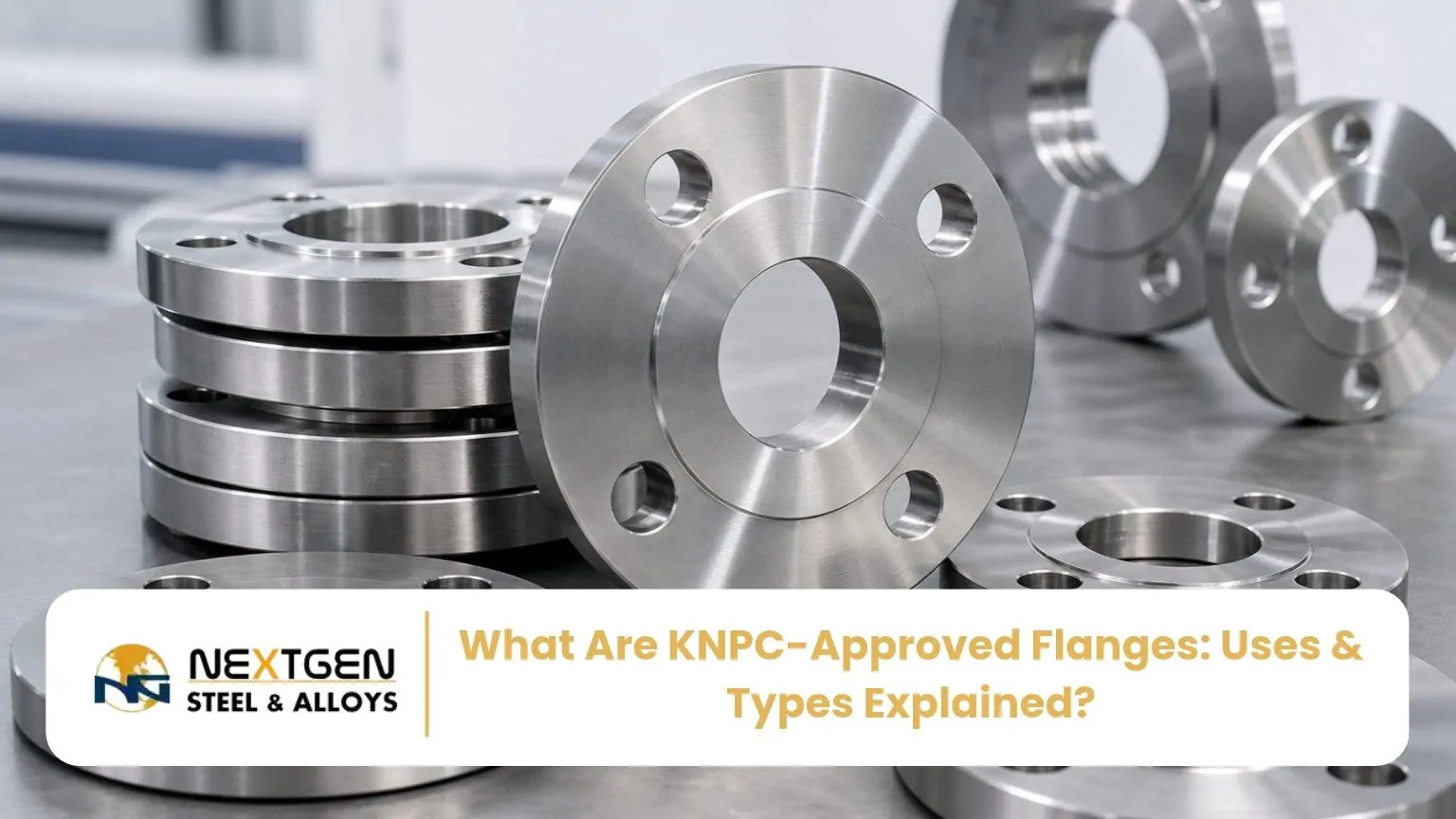
What Are KNPC-Approved Flanges Uses & Types Explained

KNPC-approved flanges are flange components that meet the quality, material, dimensional and performance requirements of Kuwait National Petroleum Company projects. Every bolted joint in a refinery or process plant is a potential leak path. Flanges create secure connections between pipes, valves, pumps and vessels. Approval status governs whether a component reaches site at all. What … Read more
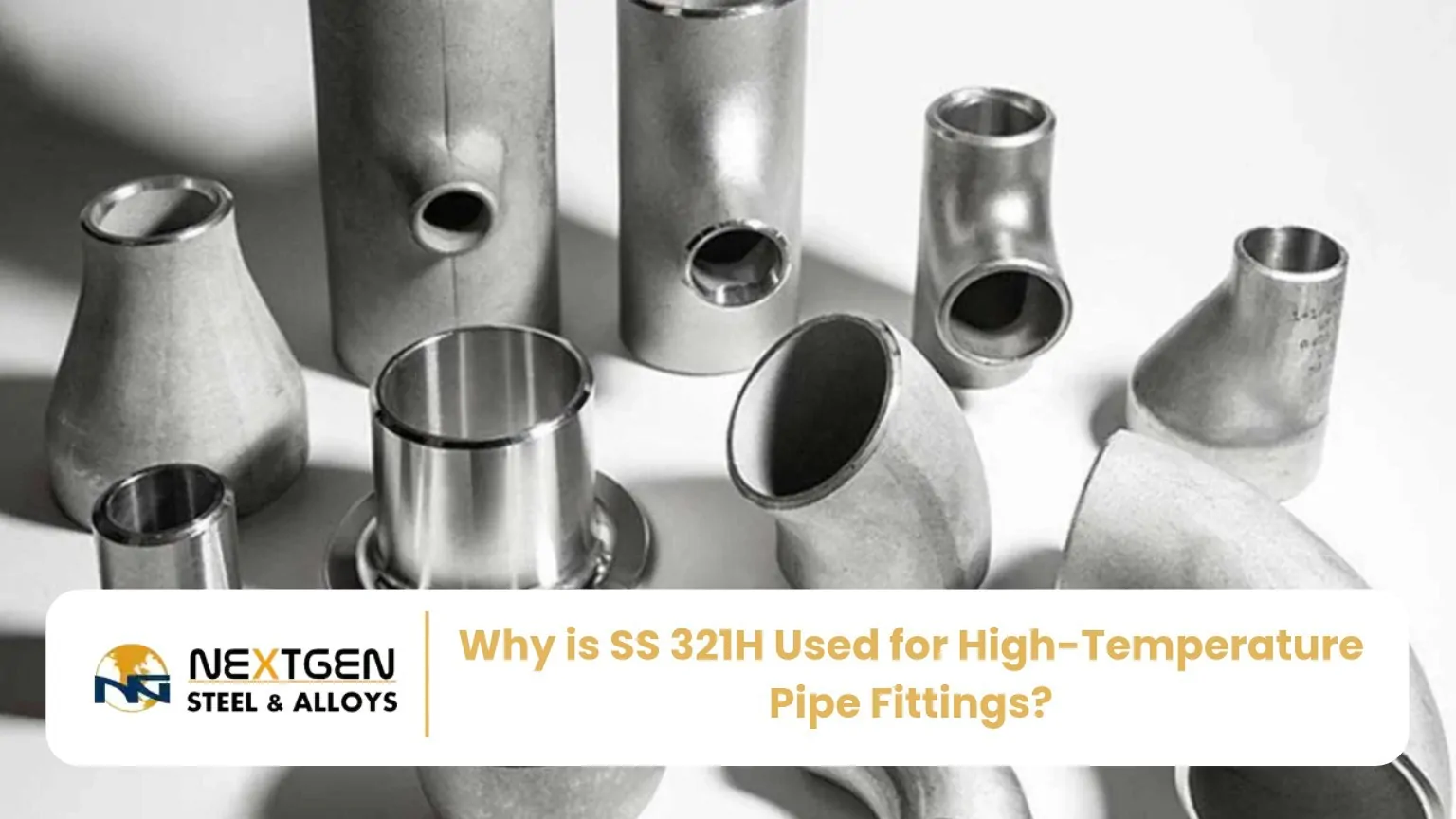
Why is SS 321H Used for High-Temperature Pipe Fittings?

Why is SS 321H Used for High-Temperature Pipe Fittings

SS 321H serves high-temperature pipe fittings because its controlled carbon and titanium stabilisation keep mechanical strength, creep resistance, and oxidation resistance intact where standard grades fail early. Hot piping systems load fittings with sustained heat, pressure, and stress rupture over long run times, so the alloy has to stay dimensionally stable for years rather than … Read more

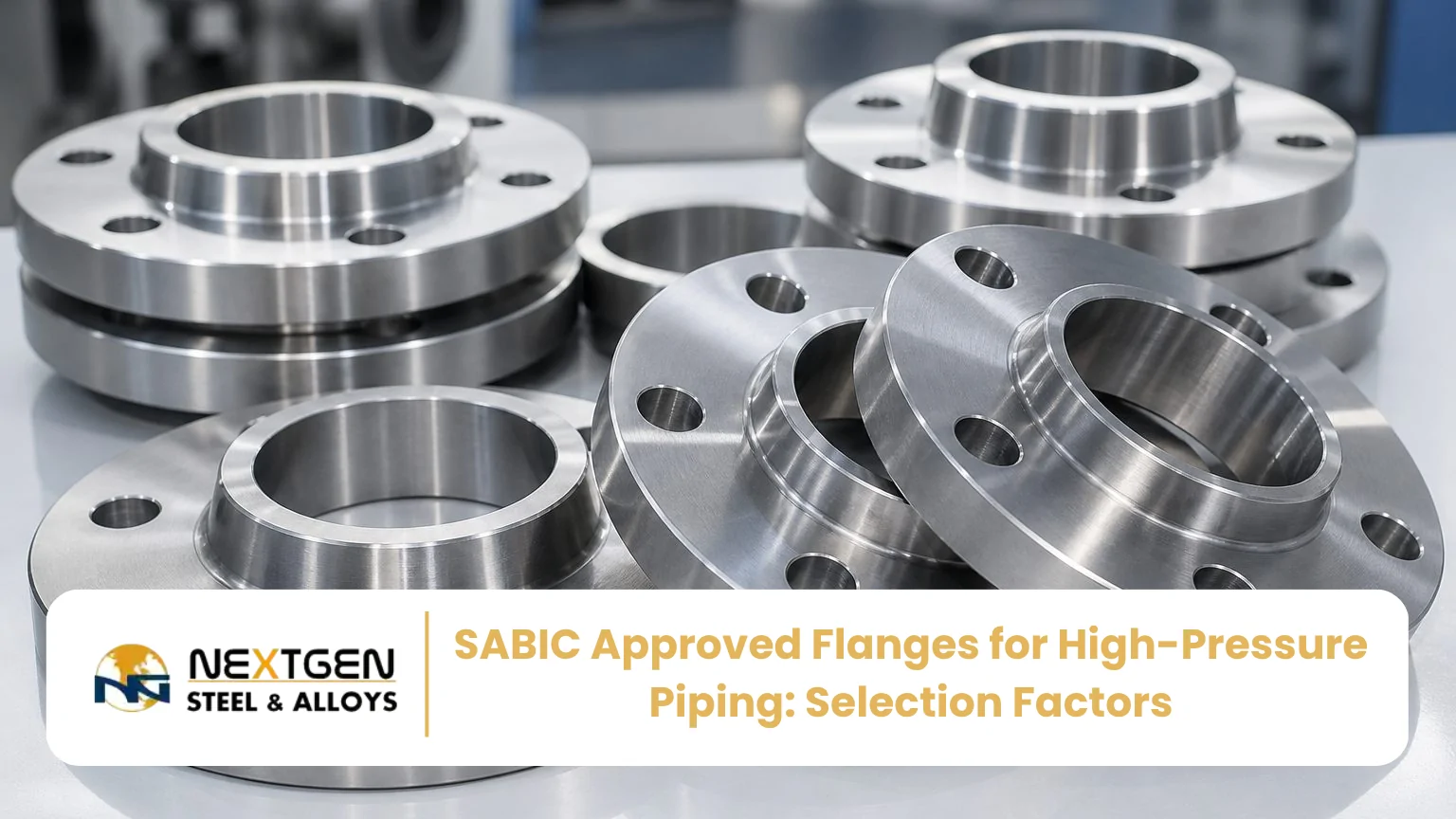
SABIC Approved Flanges for High-Pressure Piping: Selection Factors

SABIC Approved Flanges for High-Pressure Piping Selection Factors

Flanges are placed at every joint, valve connection and equipment nozzle in a high-pressure piping system. Getting the selection wrong at any one of these points can affect the whole line. SABIC Approved Flanges need to meet several factors together, not one at a time: pressure class, flange type, material, dimensions, facing, and whatever the … Read more

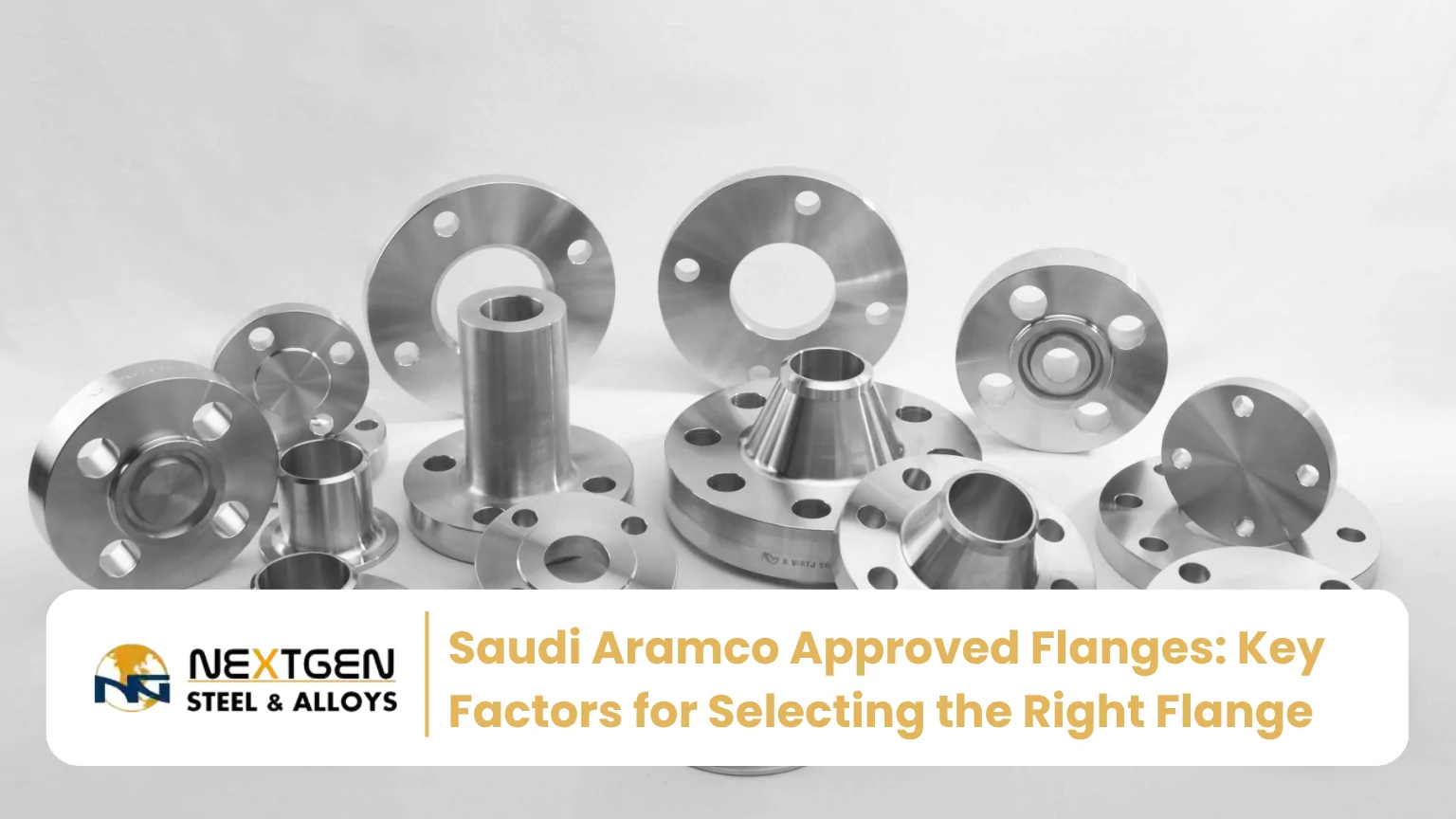
Saudi Aramco Approved Flanges: Key Factors for Selecting the Right Flange

Saudi Aramco Approved Flanges Key Factors for Selecting the Right Flange

What Should You Consider When Selecting Saudi Aramco Approved Flanges? Saudi Aramco Approved Flanges are chosen as per the project specification released for the specific contract and not as per general ASME or API standards. SAES (Aramco engineering standards) often have requirements beyond the base ASME B16.5 or B16.47 requirements. These can include material traceability, … Read more

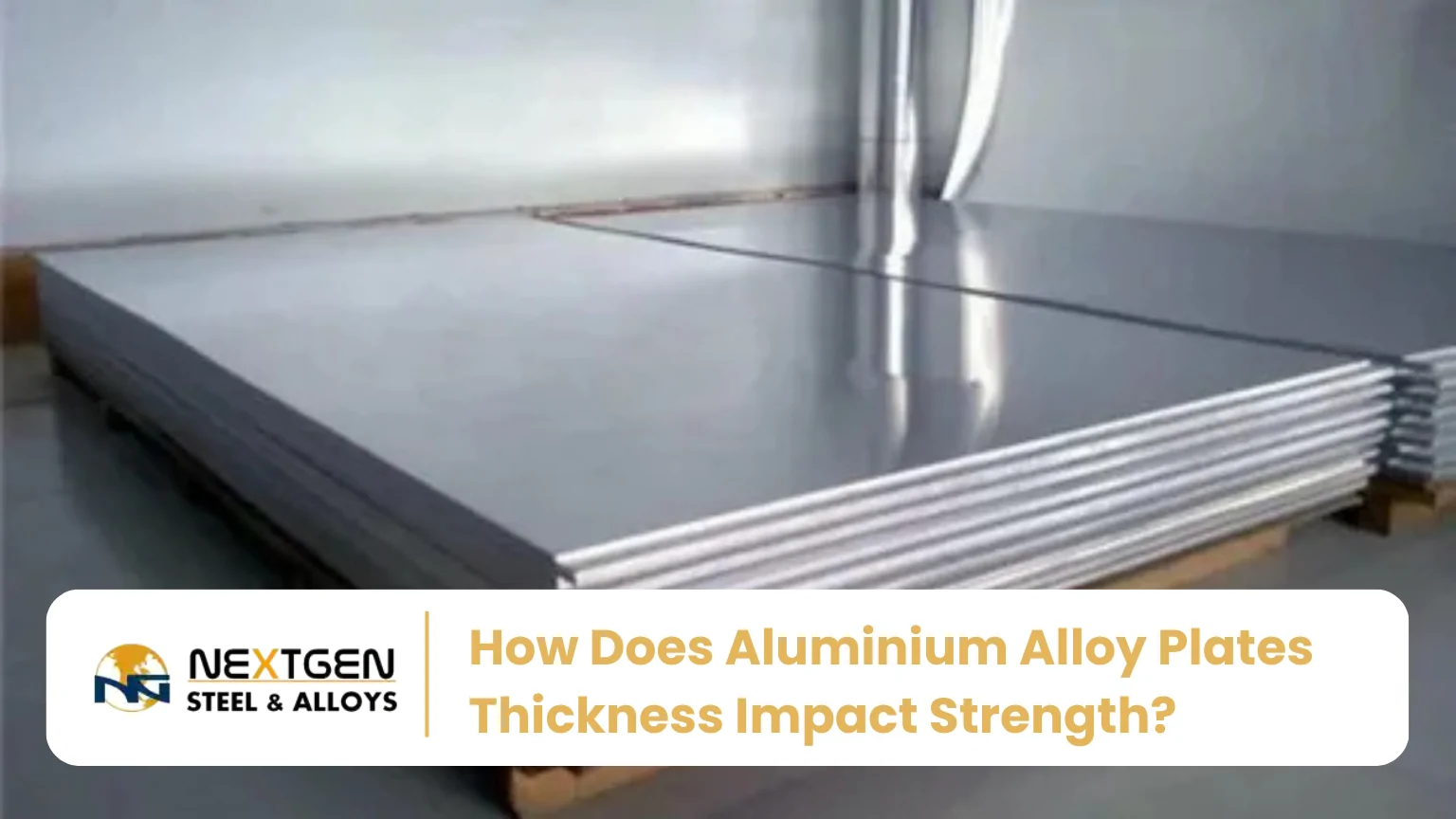
How Does Aluminium Alloy Plate Thickness Impact Strength?

aluminium alloy plates

Aluminium alloy plates carry structural loads in aerospace frames, industrial platforms, and machinery bases across dozens of industries. Engineers choose it for one reason: it delivers strength without adding dead weight. Yet a single variable determines whether a project holds up or fails within months: plate thickness. Specify a plate too thin, and it buckles … Read more

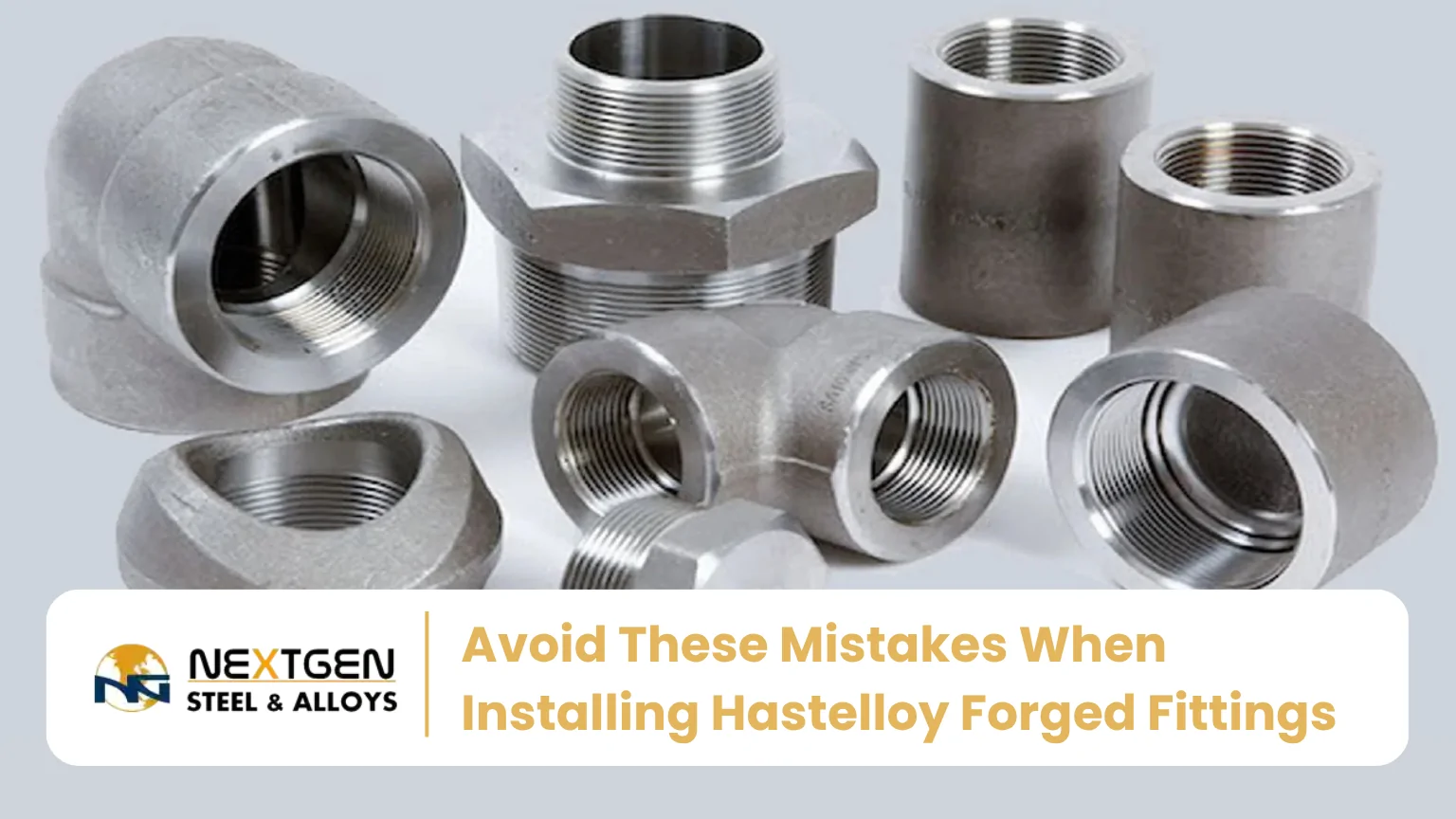
Avoid These Mistakes When Installing Hastelloy Forged Fittings

hastelloy forged fittings

Hastelloy Forged Fittings are used in some tough process environments, chemical reactors, and sour gas lines. Picking the right grade decides whether a fitting lasts 20 years or fails in a few months. A poorly cleaned surface, choosing the wrong torque any of these can turn a good corrosion-resistant fitting into a leak point. Below … Read more

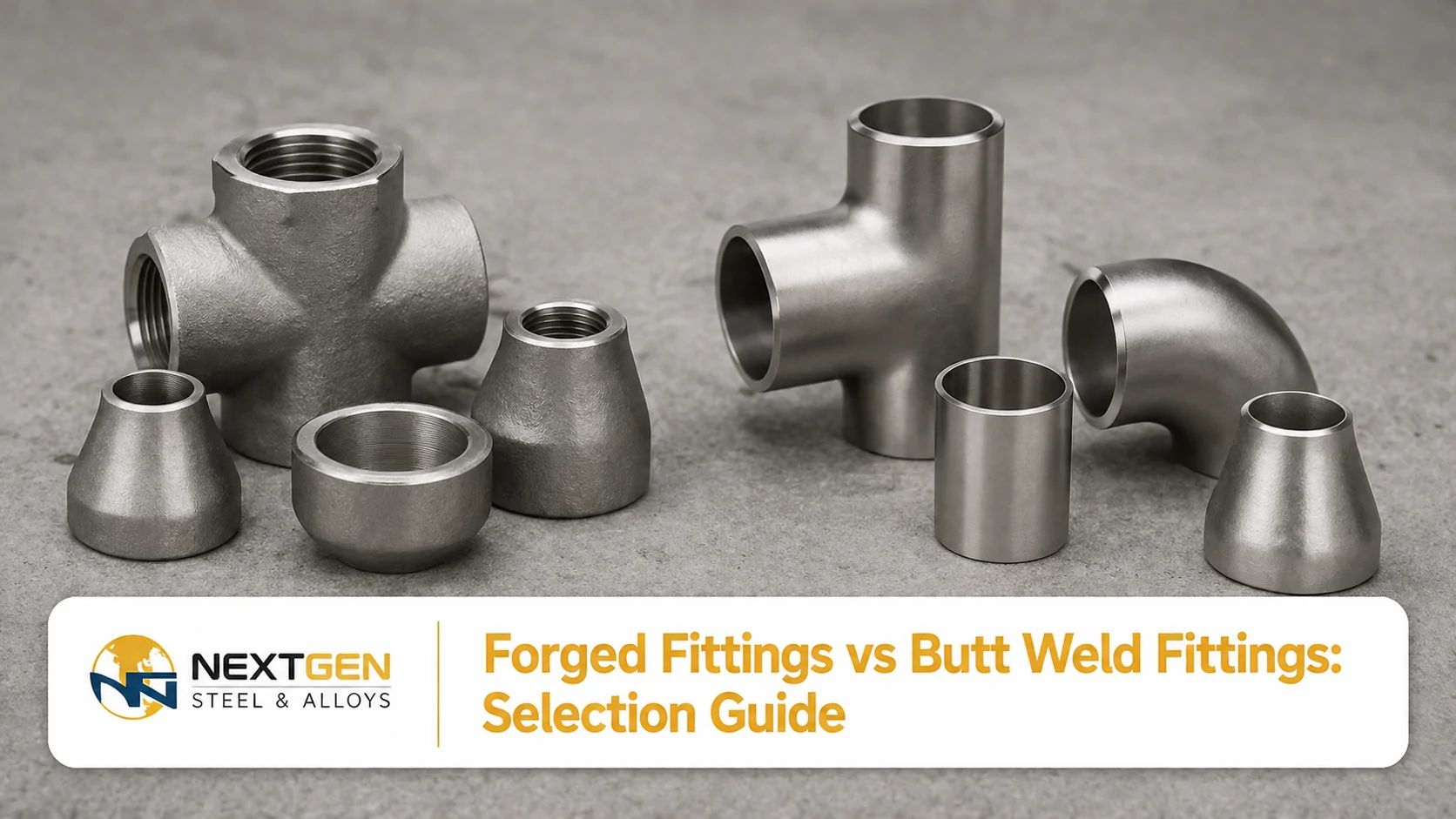
Forged Fittings vs Butt Weld Fittings: Selection Guide

Forged Fittings vs Butt Weld Fittings Selection Guide

Piping systems require precise component selection to function correctly under pressure. Engineers evaluate different joining methods to maintain structural integrity across industrial environments. Two common choices for changing direction or branching are forged fittings and butt weld fittings. Each type serves distinct operational parameters based on size, pressure, and manufacturing methods. A mismatched fitting can … Read more

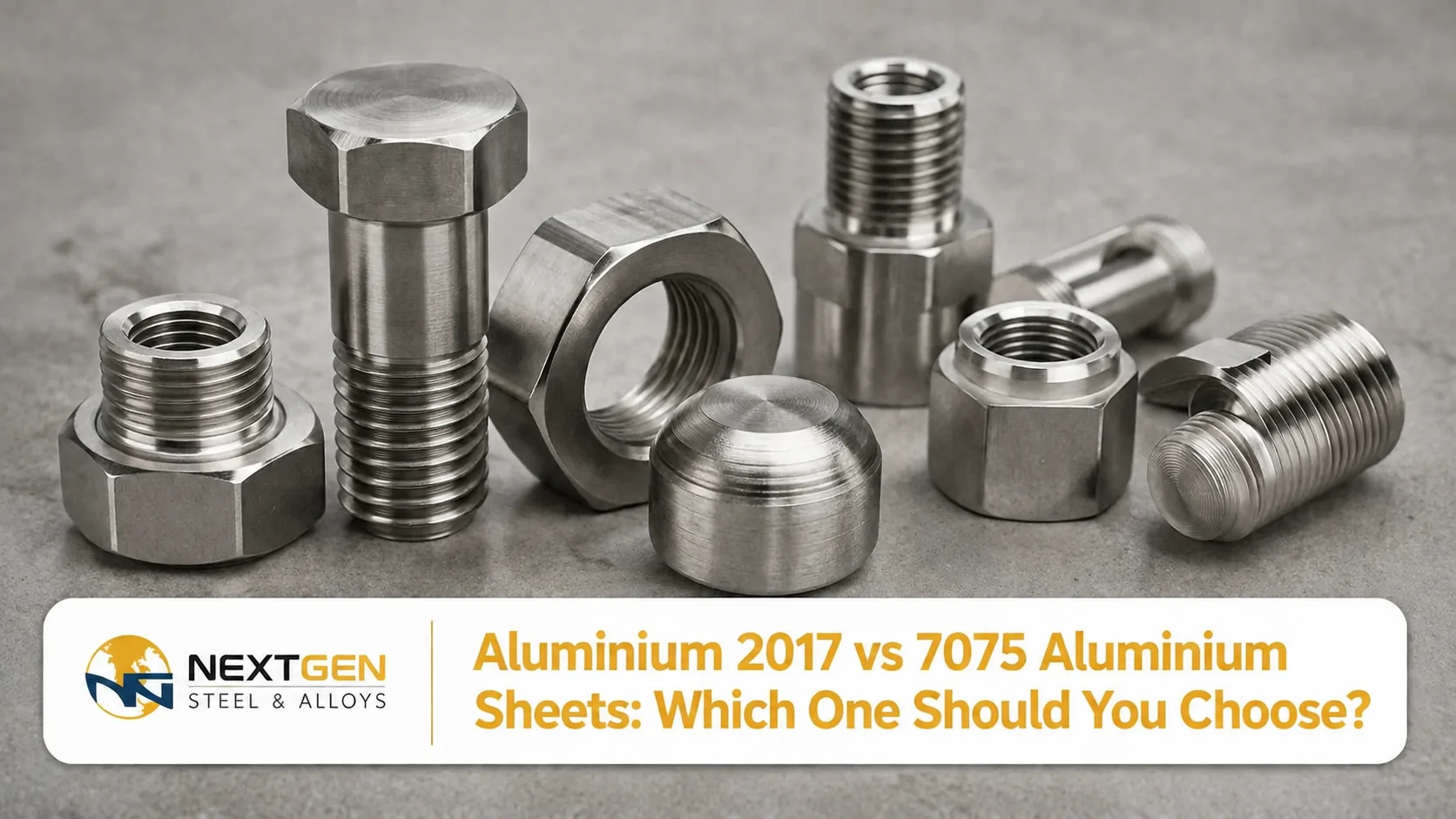
Aluminium 2017 vs 7075 Aluminum Sheets: Which to Choose?

Aluminium 2017 vs 7075 Aluminium Sheets Which One Should You Choose

Most buyers compare aluminium alloys 2017 and 7075 on strength alone and then find out later that strength was never the deciding factor for their parts. A machined fitting that needs to hold tolerance across a ten-thousand-piece run cares more about tool wear than yield strength. A wing rib cares about neither if it cannot … Read more

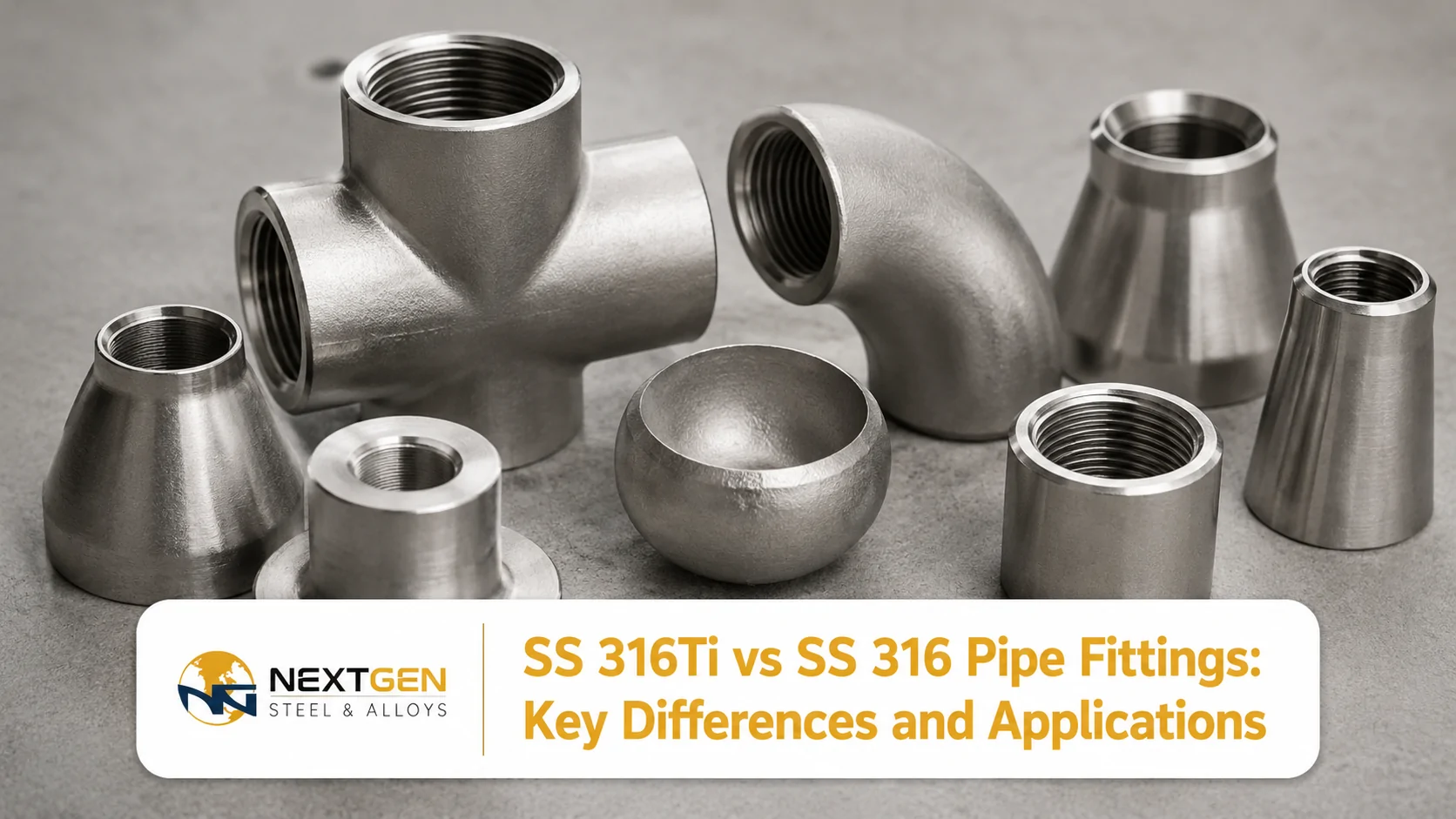
SS 316Ti vs SS 316 Pipe Fittings: Key Differences and Applications

SS 316Ti stainless steel pipe fittings including elbows, tees, reducers, and couplings with a precision-machined finish.

Industrial piping networks require robust materials capable of withstanding severe operational stresses. Selecting the correct alloy grade dictates whether a pipeline operates flawlessly for decades or suffers a catastrophic failure. Among the diverse materials utilized across critical processing sectors, standard SS 316 and specialized SS 316Ti pipe fittings frequently drive engineering discussions. On paper, these … Read more

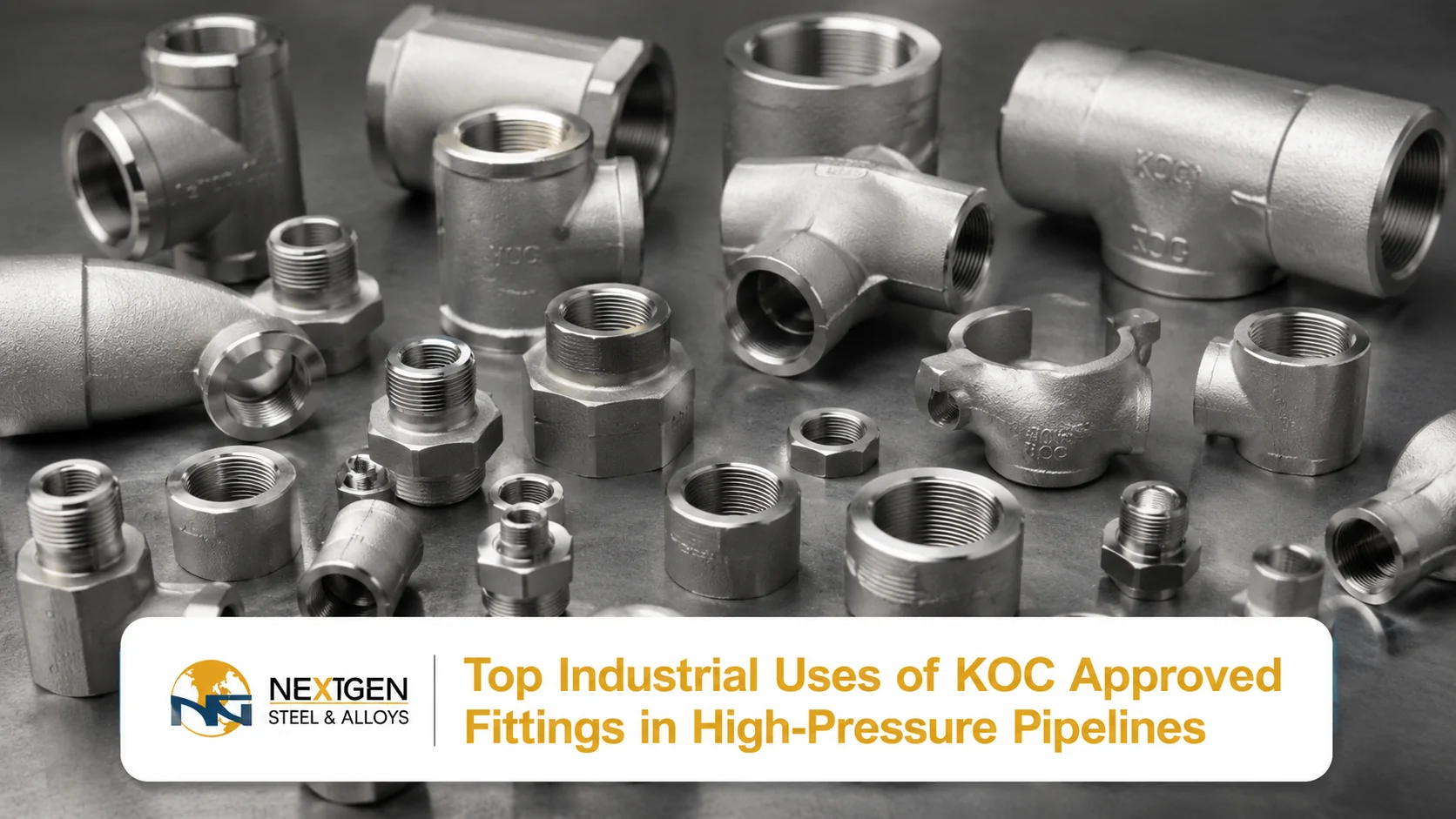
Top Industrial Uses of KOC Approved Fittings in High-Pressure Pipelines

Industrial KOC approved stainless steel pipe fittings and connectors.

KOC Approved Fittings are extremely vital to prevent catastrophic leaks, expensive downtime and structural failures in high pressure industrial pipes. These components are qualified to the strict safety and performance criteria of the Kuwait Oil Company, and are designed to withstand extreme pressures and highly corrosive media. The use of these fittings guarantees operational efficiency … Read more