
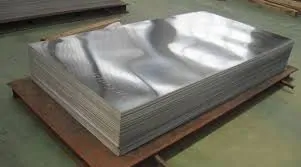
Aluminium Alloy Plates
The push for lighter and stronger materials is changing how we build everything from cars to planes. In modern engineering, finding the right balance between weight and durability is a constant challenge. Aluminium alloys fill this gap. These metals are now important in high-performance industries where every gram counts. Among the various options available, the Aluminium alloys 2017 plate has become a go-to choice. It offers the reliable strength needed for tough jobs without the heavy bulk of traditional metals.
What Are Aluminium Alloy Plates?
An aluminium alloy plate isn’t just a simple piece of metal. While pure aluminium is soft and flexible, it lacks the grit for heavy-duty work. To fix this, engineers mix it with other elements like copper, magnesium, or silicon. These additions transform the metal. By blending these elements, the alloy gains much higher strength, better wear resistance, and improved machinability. This process makes the plates tough enough to handle stress while keeping the natural perks of being lightweight.
Overview of Aluminium Alloy 2017 Plate
The 2017 grade belongs to the 2000-series family of alloys. The main secret to its power is copper. Copper adds a level of hardness that allows this metal to compete with some steels. It was actually one of the first alloys used for structural tasks. This plate is known for being very “workable,” meaning it reacts well to machining and shaping. Because it holds its shape under pressure, it is a top pick for parts that need to be precise and dependable.
Lightweight Advantage and Strength-to-Weight Ratio
- Comparison with Steel
Steel is famously strong, but it is also very heavy. Aluminium is about one-third the weight of steel. This difference is huge when you are building something that needs to move or fly. Using aluminium alloy plates allows you to get the toughness of metal without the massive weight penalty. - Structural Efficiency
Low density means you can use thicker plates for added stiffness without making the final product too heavy to manage. This efficiency allows engineers to design structures that are sleek but can still carry heavy loads safely. - Performance Without Compromise
Reducing weight usually means losing strength, but not here. These alloys are engineered to stay rigid. You get a machine or a vehicle that performs better, handles easier, and lasts longer because it isn’t fighting its own weight. - Fuel Efficiency and Loads
In transport, weight is the enemy of fuel economy. Lighter vehicles and ships burn less fuel. By using these plates, companies can increase how much cargo a truck carries or how far a plane flies on a single tank.
Corrosion Resistance and Heat Treatment Capabilities
- Natural Protection
Aluminium creates its own thin shield. When it hits the air, an oxide layer forms on the surface. This layer stops rust and decay from eating into the metal. This makes it much more durable than plain iron when left out in the elements. - The Role of Copper
The 2017 grade has a high copper content. While copper makes the metal very strong, it does change how it reacts to moisture. These plates usually need a coating or cladding if they will be sitting in salt water or harsh chemicals for long periods. - Heat Treatment
The 2017 alloy is “heat-treatable.” This means you can bake the metal at specific temperatures to change its internal structure. This process makes the metal even harder and more resistant to bending. - Temper Conditions
How the metal is cooled and aged is called its “temper”. It shows how it will act. You can choose a temper that makes the plate extra hard or one that makes it easier to form into complex shapes.
Machinability and Fabrication Benefits
- Excellent Machinability
One of the best things about these plates is how easily they can be cut. Unlike some metals that gum up tools or crack, 2017 plates leave a clean, smooth finish. This saves time in the shop and reduces wear on expensive drill bits and saws. - Ease of Forming
Fabricators love working with these plates because they can be drilled, milled, and shaped with high precision. Whether you need a flat sheet or a complex part, the metal cooperates well with standard shop tools. - Welding Considerations
While these plates are great for machining, welding takes a bit more skill. Because of the copper content, they can be sensitive to heat cracking. Most shops use mechanical fasteners like rivets or bolts to join these parts together. - Cost and Time Efficiency
Since the metal is easy to work with, parts get made faster. Faster production means lower labour costs. Because the plates are light, they are also cheaper to ship and easier for workers to move around the factory floor.
Applications of Aluminium Alloy Plates in Advanced Industries
- Aerospace and Aviation
In the sky, weight is everything. These plates are used for skins, frames, and internal parts of planes. They are tough enough to handle the stress of flight while keeping the aircraft light enough to get off the ground. - Automotive Systems
Car manufacturers use these plates to build frames, engine parts, and body panels. Using aluminium helps cars go faster and stop more quickly. It also helps electric vehicles go more miles on a single charge. - Defense and Military
The military needs gear that can take a hit but still be moved quickly. From transport vehicles to tactical equipment, these plates provide the ruggedness required in the field. - Industrial Machinery
Heavy machines often have moving parts that need to be light so they don’t wear out the motors. These plates are used for jigs, fixtures, and tool plates that need to stay perfectly flat and stable. - Structural Reliability
In buildings or bridges where weight limits are tight, Aluminium alloys 2017 plate offers a safe solution. It provides the structural integrity needed for long-term use in bridges, cranes, and specialized shipping containers.
Factors to Consider When Choosing Aluminium Alloy Plates
- Strength and Load
Aluminium 2017 is strong; you need to match the plate thickness to the expected stress. Don’t overbuild, but don’t cut it too close either. - Temperature
Aluminium handles cold very well, but it can soften at very high temperatures. If your project involves high heat, check the limits of the alloy to make sure it won’t lose its strength. - Corrosion Exposure
If the plates will be outside or near the ocean, plan for a finish. Using paint or a protective “cladding” layer of pure aluminium can help the 2017 alloy last for decades. - Industry Standards
Always check that the plates meet the rules for your specific field. Whether it is a flight safety rule or a building code, using certified materials ensures the job is done right and stays safe.
Why Aluminium Alloy Plates Are the Future of Lightweight Engineering
Nextgen Steel and Alloys knows that the right materials make all the difference in your project’s success. If you need high-quality plates or expert advice on which grade fits your needs, reach out to us today.
Aluminum alloy plates have proven they are more than just a light alternative to steel. They offer a unique mix of strength, easy machining, and long-term value. As we look for ways to build faster, greener, and more efficient machines, these materials will lead the way. Choosing an Aluminium Alloys 2017 plate means you are picking a material that has stood the test of time while meeting the needs of tomorrow. It is a dependable choice for various industries. Contact us today to get expert advice and a customized quote for your project.